

DB-2887

Application-Specific GC Columns

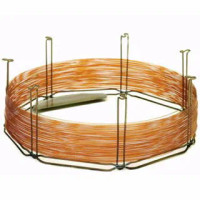
Agilent J&W DB-2887 GC columns are purpose-built for high-accuracy simulated distillation (SimDist) analyses in accordance with ASTM D2887. These nonpolar, 100 percent dimethylpolysiloxane columns are engineered to deliver precise boiling range distributions for petroleum fractions—from light naphthas to mid-distillates—using rapid temperature programming and reproducible retention behavior.

DB-2887 features bonded, crosslinked, and solvent-rinsable chemistry, providing exceptional thermal stability and very low bleed even at elevated temperatures. This ensures consistent baseline performance, improved signal-to-noise ratios, and long-term column reliability across repeated routine SimDist operations in refinery and independent testing laboratories.

The column is designed for fast conditioning and rapid cycle times, reducing overall analysis costs while supporting high-throughput workflows. With a broad operating range of –60 Â°C to 350 Â°C, DB-2887 accommodates the full volatility span required for ASTM D2887 while maintaining accurate boiling point calibration and dependable retention index stability.

Every DB-2887 column undergoes strict industry QC testing to verify compliance with ASTM performance criteria and to ensure consistent, analyzer-grade results. This makes DB-2887 an ideal choice for laboratories requiring robust, reproducible simulated distillation data for production, quality control, and regulatory reporting.

Key Definitions â–¸
Simulated Distillation (SimDist)
A GC-based technique that determines the true boiling point distribution of petroleum samples. DB-2887 columns provide the thermal stability and retention precision required for accurate ASTM D2887 SimDist analyses across light and mid-distillate ranges.
ASTM D2887
An industry-standard method for determining boiling range distributions of petroleum fractions using gas chromatography. DB-2887 columns are specifically designed and QC-verified to meet or exceed the resolution, repeatability, and retention index requirements of this method.
Boiling Point Calibration
The process of correlating retention time to boiling temperature using reference hydrocarbons. DB-2887’s nonpolar selectivity and low-bleed performance ensure accurate and stable calibration curves for reliable boiling range predictions.
Low Bleed
Minimal stationary-phase loss at elevated temperatures, resulting in improved detector stability, cleaner baselines, and more reliable boiling point assignments. Low-bleed characteristics are essential for accurate SimDist workflows.
Bonded and Crosslinked Phase
A durable stationary-phase structure chemically bonded to the column wall and reinforced through crosslinking. This construction enhances thermal stability, supports solvent rinsing, and delivers long service life—critical for high-throughput SimDist applications.
Frequently Asked Questions â–¸
What applications are DB-2887 columns designed for?
DB-2887 columns are specifically designed for simulated distillation (SimDist) according to ASTM D2887. They are used to determine the boiling range distribution of petroleum fractions such as naphtha, jet fuel, diesel, and other middle distillates.
How is DB-2887 different from high-temperature SimDist columns like DB-HT SimDis?
DB-2887 is optimized for middle-distillate boiling range analysis under ASTM D2887, while DB-HT SimDis columns are engineered for extended high-temperature methods such as ASTM D7169, which cover heavy gas oils, vacuum gas oils, and crude residues up to 720 Â°C. DB-2887 provides faster conditioning and lower bleed for light-to-mid-range petroleum fractions.
What temperature range can DB-2887 operate within?
DB-2887 columns operate from –60 Â°C up to 350 Â°C, supporting rapid temperature programming and efficient elution of hydrocarbons across the full boiling distribution required by ASTM D2887.
Are DB-2887 columns durable enough for high-throughput SimDist workflows?
Yes. With bonded and crosslinked phase chemistry, DB-2887 columns are solvent rinsable and provide excellent thermal stability and low bleed. This makes them well suited for routine and high-throughput refinery analysis, maintaining stable retention times across many injections.
What type of QC testing is performed on DB-2887 columns?
Each DB-2887 column undergoes strict industry QC testing to verify resolution, inertness, retention index consistency, and compliance with ASTM D2887 performance criteria. Columns are validated to ensure reproducible boiling point calibration curves and stable long-term operation.