Valves

HPLC Valves, Loops, and Flow Control Components

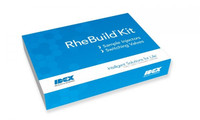
Chrom Tech provides a complete portfolio of IDEX and Hamilton valves, sample loops, and flow-control accessories engineered for precision chromatography. From manual and automated injection valves to check valves, splitters, and back-pressure regulators, every component is designed for durability and repeatable analytical performance.

Our product line supports both stainless-steel and PEEK flow paths, making it easy to configure systems for high-pressure analytical workflows or biocompatible environments. IDEX valves and accessories deliver secure connections and consistent sample injection, while Hamilton manual valves provide fine control of analytical flow. Chrom Tech also supplies a wide range of sample loops, syringes, and replacement parts to keep systems operating reliably.

Whether you’re maintaining an existing LC system or building a new HPLC flow path, Chrom Tech delivers trusted, high-performance fluidic solutions backed by decades of chromatography expertise.
Key Definitions
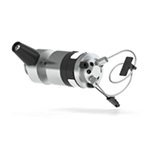
Injection Valve
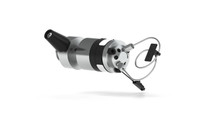
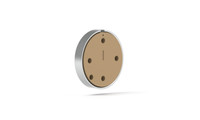
An HPLC valve used to introduce a precise sample volume into the mobile-phase stream under pressure, ensuring reproducible injections and consistent chromatographic results.
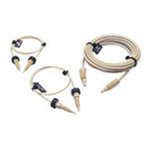
Sample Loop
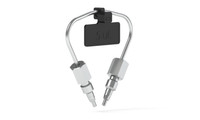
A fixed-length tubing loop that defines injection volume in manual or automated HPLC systems. Available in stainless steel or PEEK for analytical and biocompatible workflows.
Back Pressure Regulator (BPR)
A flow-control device that maintains constant downstream pressure to prevent solvent degassing and improve baseline stability, especially in gradient or microflow LC.
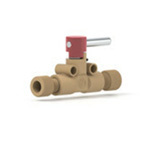
Check Valve
A one-way valve that prevents reverse flow, protecting pumps, columns, and detectors from pressure spikes or backflow damage.
Frequently Asked Questions
What is the purpose of an injection valve in HPLC?
An injection valve introduces a precise sample volume into the HPLC flow path under high pressure, ensuring reproducible loading and accurate chromatographic results.
When should I use a back-pressure regulator (BPR)?
BPRs maintain consistent system pressure downstream of the detector to prevent solvent degassing and improve baseline stability, especially in gradient HPLC or microflow applications.
What’s the difference between a check valve and a pressure relief valve?
A check valve prevents reverse flow and protects pumps and columns, while a pressure relief valve (PRV) automatically releases excess pressure to safeguard sensitive system components.
Can I use PEEK loops instead of stainless steel?
Yes. PEEK sample loops are ideal for biocompatible or corrosive applications where metal contact must be avoided. They provide chemical resistance and flexibility while supporting moderate pressure operation.